Market Architecture & History
DrugHub operates as a decentralized hidden service on the Tor network. This analysis covers the platform's evolution from a standard escrow market to a Monero-only, passwordless ecosystem designed for high-latency environments.
Executive Summary
DrugHub Mirrors functions as a specialized hidden service within the Tor network, distinguishing itself through a minimalist technical philosophy. Unlike previous generations of darknet markets that utilized Bitcoin and centralized wallet structures, DrugHub enforces a strict Monero (XMR) only policy to mitigate blockchain surveillance risks.
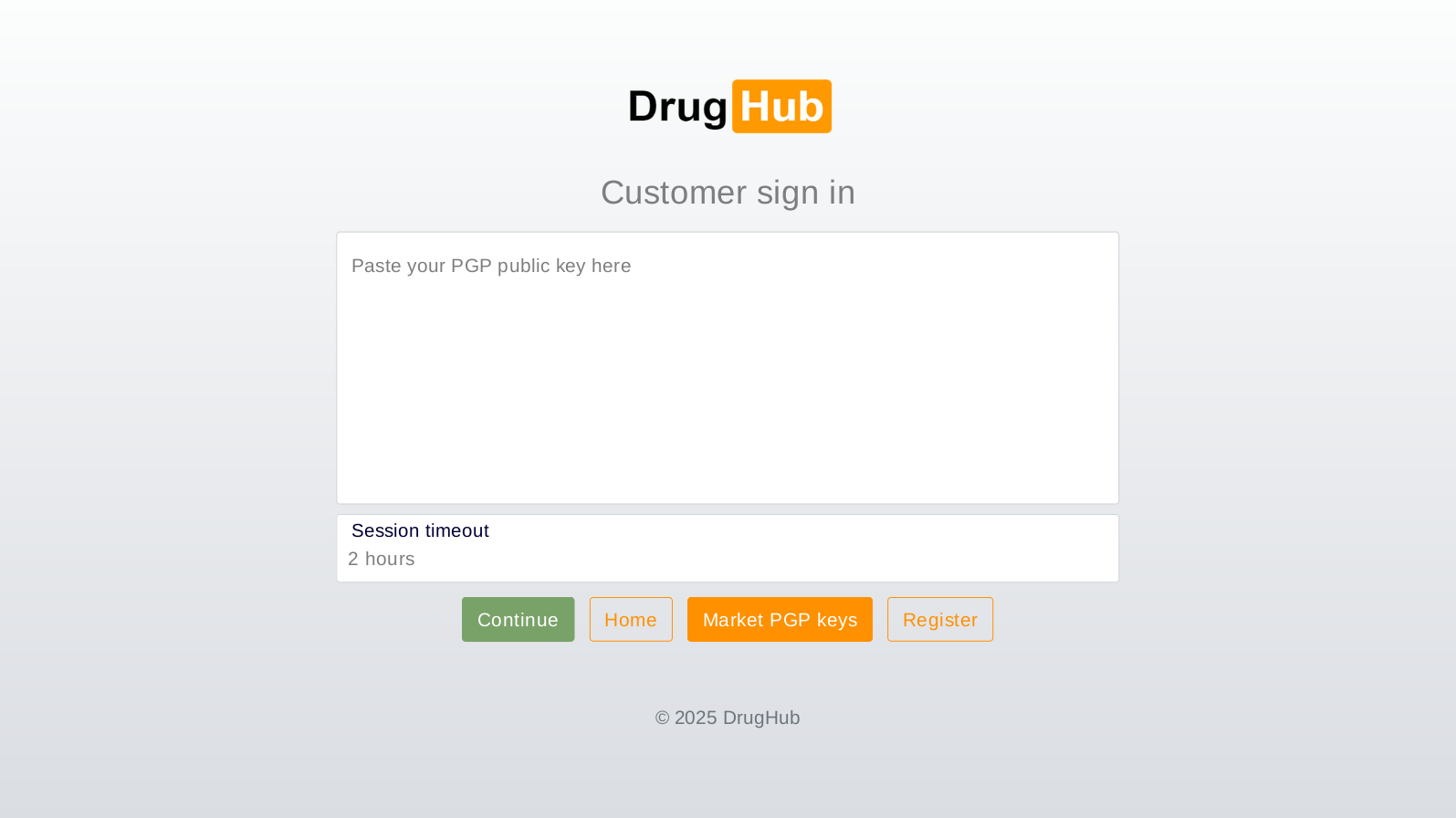
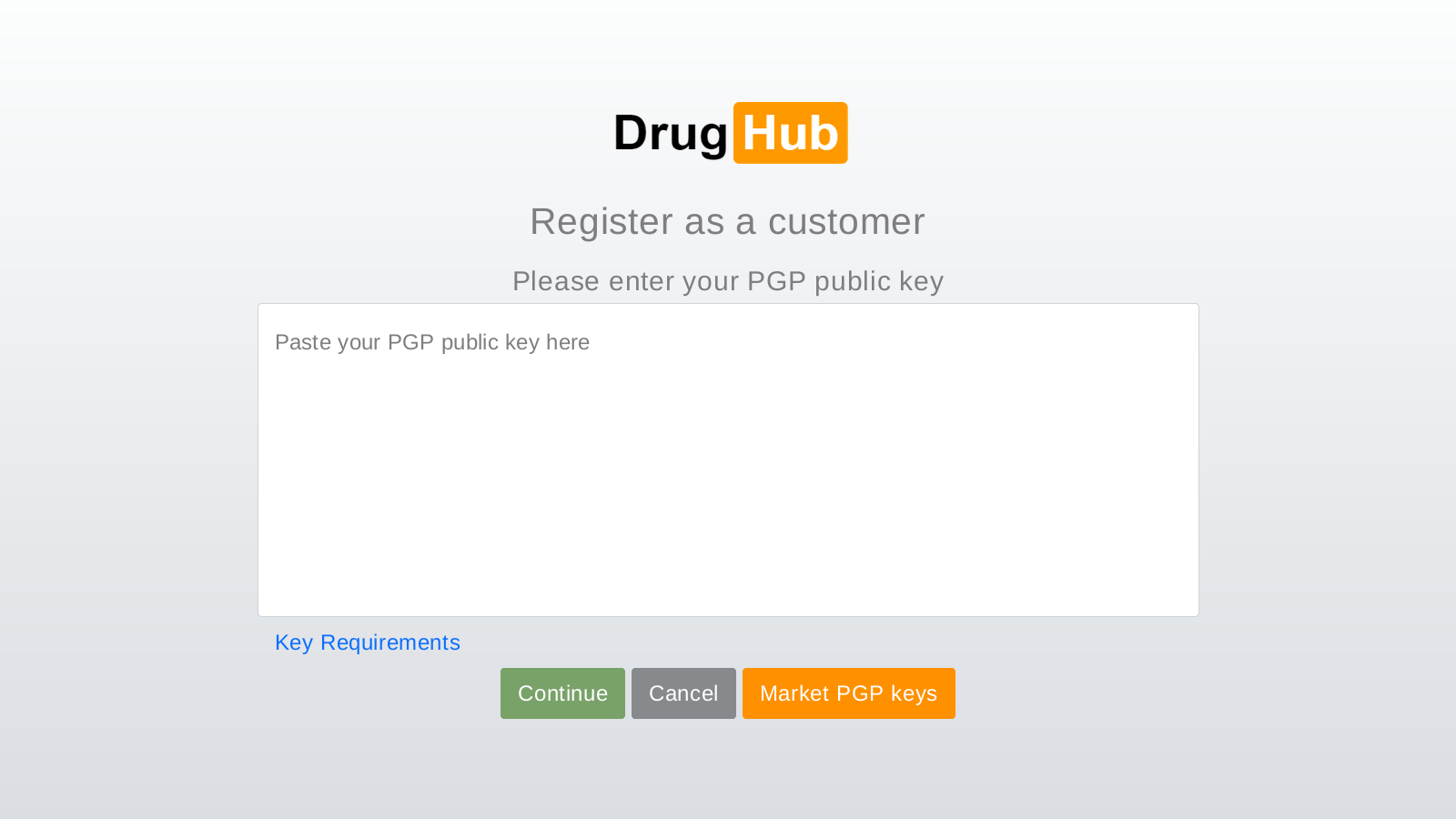
A key architectural differentiator is the platform's authentication mechanism. The market operates on a "passwordless" basis, utilizing PGP (Pretty Good Privacy) keypairs as the sole method of identity verification. This approach eliminates the storage of hashed passwords on the server, theoretically reducing the attack surface in the event of a database compromise.
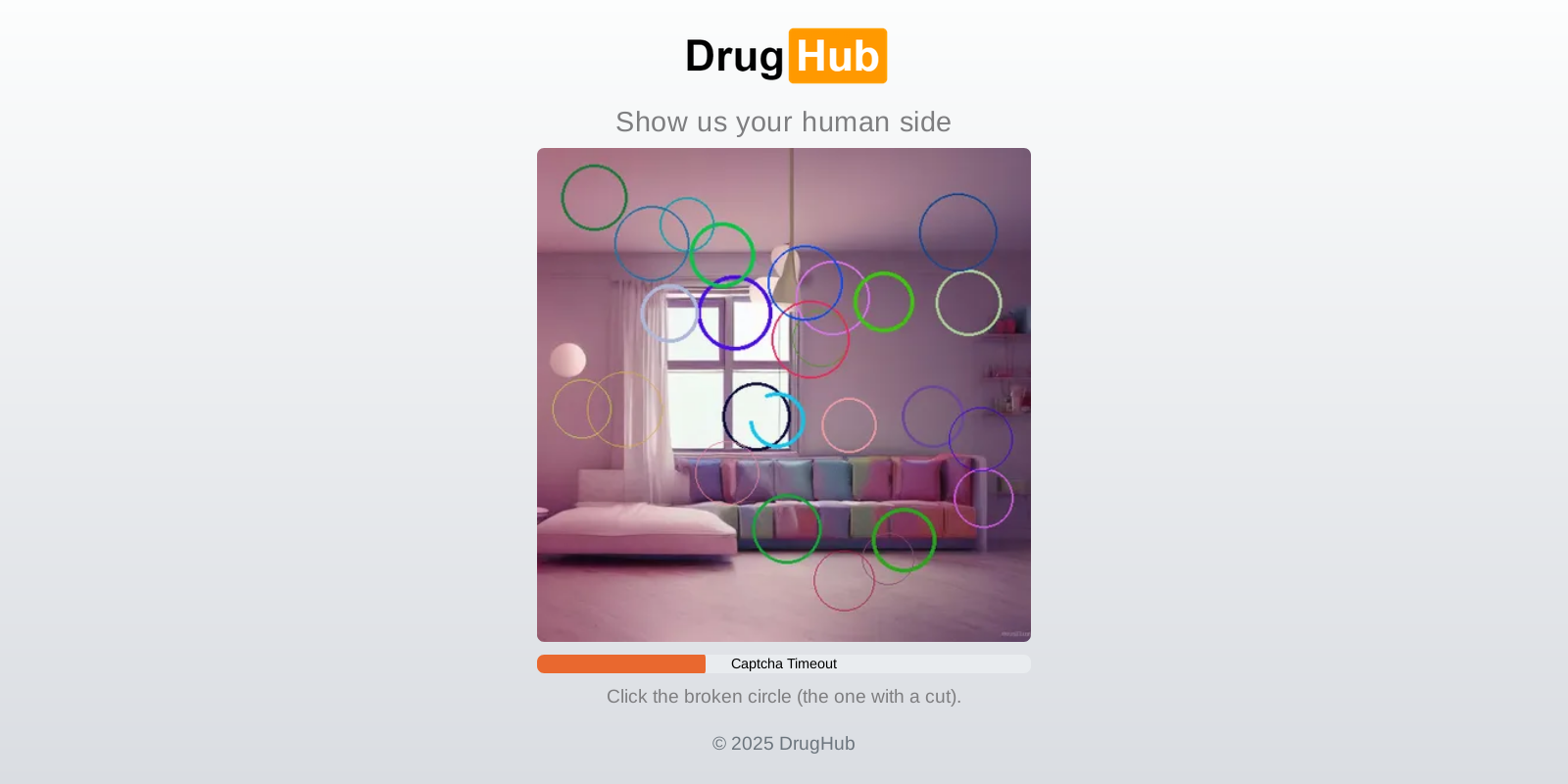
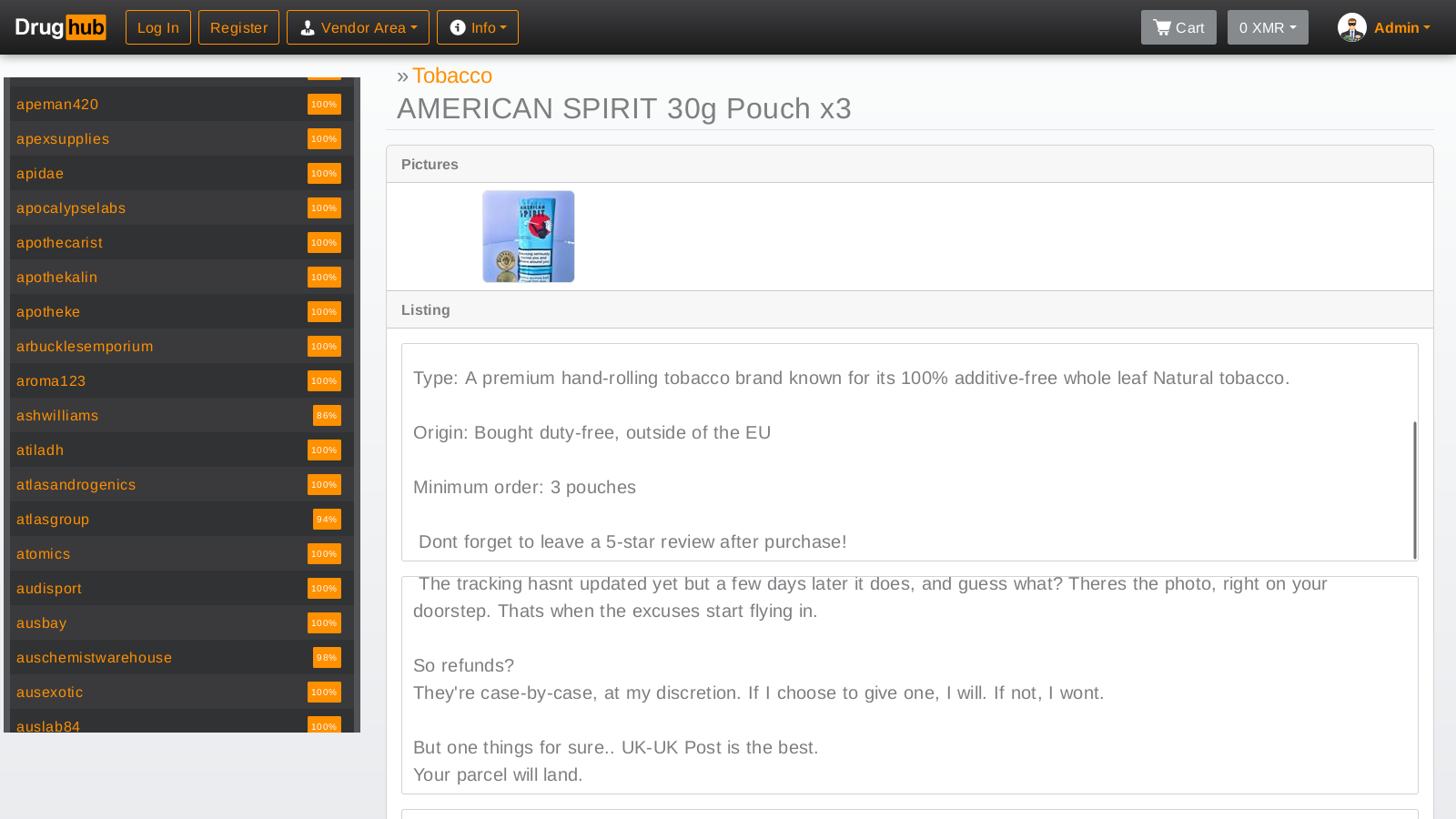
The interface is built without client-side JavaScript, ensuring compatibility with the Tor Browser's "Safest" security setting. This design choice prioritizes operational security (OpSec) over user interface fluidity, resulting in a utilitarian, static browsing experience.
Technical Architecture
Authentication Layer
The platform rejects traditional username/password combinations. Accounts are bound to a public PGP key. Login requires decrypting a randomly generated nonce, proving ownership of the private key without transmitting sensitive credentials.
Payment Protocol
Transactions are conducted exclusively in Monero (XMR). The system utilizes integrated addresses and subaddresses to unlink payments from user identities. Multisignature escrow systems are employed for dispute resolution.
Mirror Rotation Strategy
To combat Distributed Denial of Service (DDoS) attacks common to the Tor network, DrugHub employs a dynamic mirror rotation strategy. The main onion address acts as a load balancer, redirecting traffic to verified secondary mirrors. These mirrors are cryptographically signed to prevent man-in-the-middle attacks.
Interface Preview
Historical Timeline
Initial Deployment
Platform detected on Tor network. Early beta testing focused on basic escrow functionality.
XMR Standardization
Complete removal of Bitcoin support. Transition to Monero-only infrastructure to enforce privacy.
Mirror V3 Update
Implementation of V3 onion services with proof-of-work headers to mitigate network congestion.
Market Metrics
- Hidden Service Ver. V3 Onion
- Encryption Standard PGP 4096-bit
- Wallet Mode Centralized/Escrow
- Scripting DISABLED (No-JS)